BPC-157
BPC-157 research peptide. Third-party Certificates of Analysis are published for tested products and batches. Fast UK dispatch. For laboratory research use only.
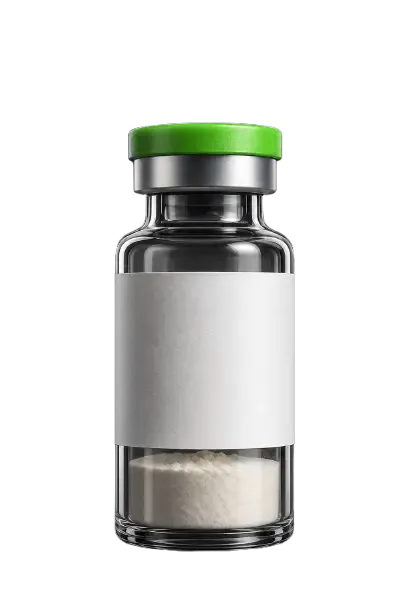
BPC-157 research peptide. Third-party Certificates of Analysis are published for tested products and batches. Fast UK dispatch. For laboratory research use only.
Available sizes: 5 mg, 10 mg
BPC-157 (Body Protective Compound-157) is one of the most widely studied regenerative peptides. It is known for supporting recovery in tendons, ligaments, muscle tissue, and the digestive tract.
Because it originates from a protective compound found in gastric juice, BPC-157 is frequently researched for both musculoskeletal healing and gut integrity support.
Supports Tendon & Ligament Recovery: Frequently studied in connective tissue repair models.
Encourages Blood Vessel Formation: Promotes improved nutrient delivery to injured areas.
Gut Lining Support: Extensively researched for digestive tract protection and repair.
Localised Healing Potential: Often selected when targeted recovery is the focus.
BPC-157 is studied for its ability to increase signals involved in blood vessel growth and collagen production. This helps guide repair cells to damaged tissue and supports the rebuilding process.
It is also researched for regulating nitric oxide pathways, which play an important role in protecting blood vessels and maintaining healthy circulation during recovery.
Tendon and ligament injuries
Muscle strain recovery
Joint inflammation models
Gastrointestinal lining repair
Ulcer and digestive tract studies
BPC-157 is commonly combined with TB-500 in regenerative research protocols. While BPC-157 is often chosen for more targeted tissue repair, TB-500 is valued for its broader systemic support.
This pairing forms the basis of the Wolverine blend, where both peptides are studied together for their complementary connective tissue and vascular signalling pathways.
Certificates of Analysis are published for tested products and batches. A certificate is a batch-specific record: it reports what was measured, by which method, on a stated date, against a batch identifier. It is evidence about the sample analysed at the time of analysis, and it is silent on attributes it does not list and on what has happened to the material since.
The batch number is the field that connects the document to a physical vial. Where the identifier on a vial does not appear on a certificate, the certificate does not describe that vial, however thorough the analysis behind it was. Batch records can be searched directly, and the guides below explain what each field establishes and what it does not.
Supplied for laboratory research use only. Not for human or veterinary use.