Lemon Bottle
Lemon Bottle research peptide. Third-party Certificates of Analysis are published for tested products and batches. Fast UK dispatch. For laboratory research use only.
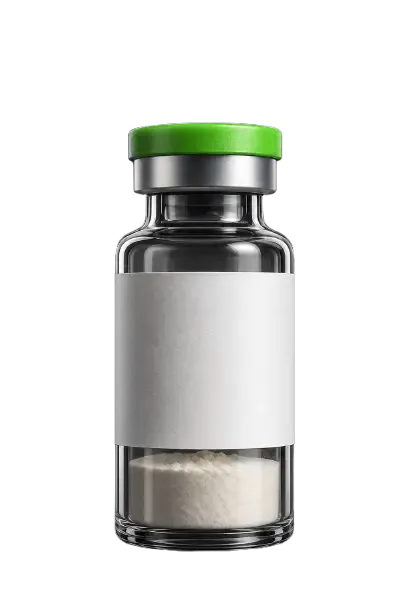
Lemon Bottle research peptide. Third-party Certificates of Analysis are published for tested products and batches. Fast UK dispatch. For laboratory research use only.
Available sizes: 10 ml
Lemon Bottle is a formulated lipolytic solution combining Riboflavin (Vitamin B2), Lecithin, and Bromelain in a plant-derived blend studied in adipose tissue research. The formulation is designed for laboratory models exploring lipid metabolism, enzymatic fat interaction, and adipose tissue signalling.
Unlike traditional lipolytic compounds that rely on bile-acid derivatives such as deoxycholic acid, Lemon Bottle is frequently examined as a non–deoxycholate formulation focused on metabolic and enzymatic pathways involved in fat tissue regulation.
Because adipose tissue functions as an active metabolic organ, formulations targeting lipid metabolism and enzymatic interaction are often used in studies investigating fat metabolism, adipose signalling pathways, and metabolic energy dynamics.
Metabolic Activation: Riboflavin (Vitamin B2) functions as a cofactor in cellular energy production, making it relevant in research examining ATP-driven metabolic pathways and lipid metabolism.
Lipid Interaction Research: Lecithin is frequently studied for its interaction with lipid structures and its ability to influence emulsification processes within adipose tissue models.
Proteolytic Enzyme Activity: Bromelain is investigated for its enzymatic properties and its interaction with biological proteins and extracellular tissue structures.
Alternative Lipolytic Models: The formulation is sometimes selected in studies exploring adipose metabolism without relying on deoxycholic acid–based mechanisms.
Adipose tissue is supported by complex metabolic and enzymatic signalling systems that regulate lipid storage, mobilisation, and energy balance. Research into lipolytic compounds often focuses on how metabolic cofactors, enzymes, and lipid-interacting molecules influence these pathways.
Formulations such as Lemon Bottle provide a model for examining how enzymatic activity, lipid interaction, and metabolic signalling may influence adipose tissue dynamics in controlled research environments.
Adipose tissue metabolism research
Lipid interaction and emulsification studies
Enzymatic signalling within adipose tissue models
Metabolic energy pathway research
Lemon Bottle is frequently discussed within adipose tissue and metabolic signalling research exploring how lipid metabolism interacts with systemic energy regulation.
Researchers studying fat metabolism and metabolic signalling pathways may also investigate compounds examined in related metabolic research frameworks, including AICAR.
Certificates of Analysis are published for tested products and batches. A certificate is a batch-specific record: it reports what was measured, by which method, on a stated date, against a batch identifier. It is evidence about the sample analysed at the time of analysis, and it is silent on attributes it does not list and on what has happened to the material since.
The batch number is the field that connects the document to a physical vial. Where the identifier on a vial does not appear on a certificate, the certificate does not describe that vial, however thorough the analysis behind it was. Batch records can be searched directly, and the guides below explain what each field establishes and what it does not.
Supplied for laboratory research use only. Not for human or veterinary use.